Harvest Within Reach

Welcome to a fresh, inclusive way to cook and grow at home. We’re exploring Rolling Herb Gardens for Adaptive Kitchen Spaces, showing how mobile planters deliver sunshine, fragrance, and flavor to every counter height and workflow. Expect practical build tips, light and watering guidance, recipes-in-motion ideas, and real stories that prove accessibility fuels creativity. Share your questions, successes, and photos—your feedback helps us refine designs, recommend smarter gear, and celebrate everyday cooks turning small corners into rolling, thriving green pantries.

From Counter to Balcony, Effortlessly

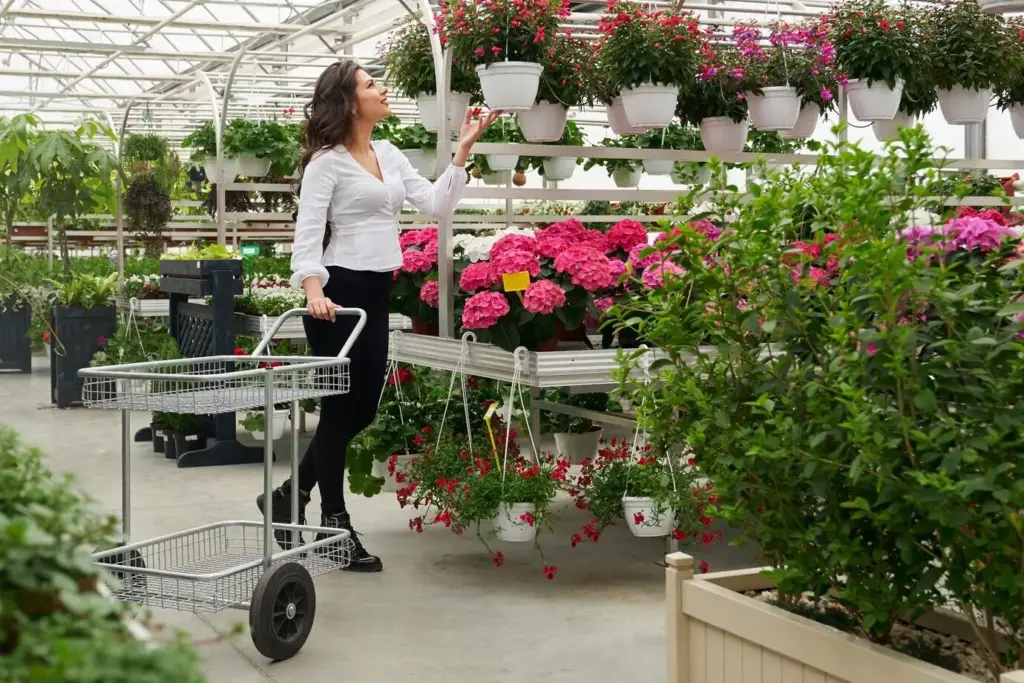
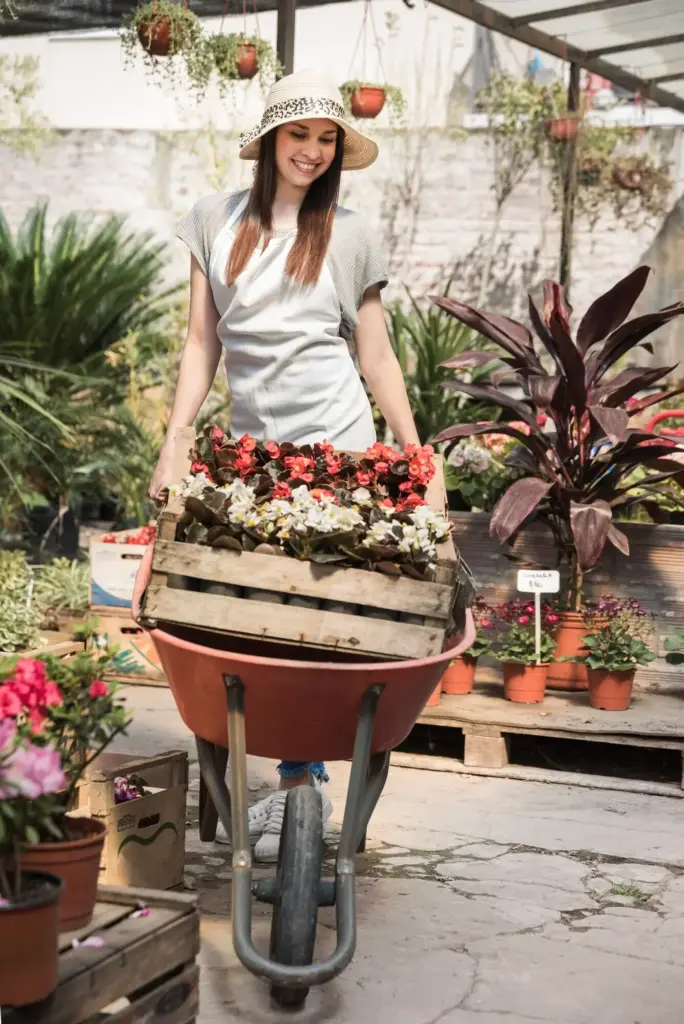
Glide your greens to bright morning light, then wheel them beside the cutting board when dinner starts. Mobility makes sunlight, airflow, and access adjustable in seconds, not seasons. No more tugging heavy containers across floors or sacrificing precious workspace. A quick roll avoids drafts, heater vents, or crowded corners, protecting delicate leaves. This easy repositioning encourages consistent care, smoother pruning, tidier watering, and spontaneous harvesting that turns weeknight meals into joyful, aromatic rituals.

Comfort for Every Body

A thoughtful cart design respects different heights, reaches, and energy levels. Handles meet your hands where they naturally land, shelves sit within comfortable grasp, and locking wheels prevent drifting during pruning. Whether you cook from a wheelchair, share tasks with kids, or prefer sitting to chop, mobility offers choice. Every adjustment removes small barriers, replacing frustration with momentum. The result is dignity in daily cooking, confidence in plant care, and a kinder path toward flavor-filled independence.

Smart Build: Frames, Casters, and Stability

A dependable build begins with the frame and wheels, because confidence grows when the cart feels solid in your hands. Metal or hardwood frames resist flex, while wide stances and low centers of gravity prevent tipping. Locking casters keep everything steady during watering or snipping. Thoughtful edges catch spills, trays drain cleanly, and balanced weight distribution helps you steer without strain. Build it right once and you’ll love rolling it daily, even when plants are lush and heavy.

01

Choosing the Right Wheels

Casters determine comfort. Larger diameters glide over thresholds, soft treads protect floors, and full-swivel fronts steer around tight corners. Lock at least two wheels for stability during pruning and when parking by a window. Corrosion-resistant hardware resists humidity from watering. Low-noise bearings reduce household friction, literally and figuratively. Check weight ratings, as wet soil is surprisingly heavy. With the right casters, your cart becomes effortless to guide, safe to stop, and pleasant to use year-round.

02

Shelves and Trays That Drain Well

Herbs thrive when roots breathe. Use perforated trays, mesh shelves, or slatted platforms paired with saucers to catch runoff. Slightly raised pots prevent reabsorbing stagnant water. If using reservoirs or capillary mats, add overflow holes and easy access for cleaning. Materials like stainless steel, powder-coated metal, or food-grade HDPE shrug off moisture. Well-managed drainage keeps surfaces tidy, reduces mold risk, and turns watering from a chore into a quick, confident routine that protects roots and floors alike.

03

Handles, Edges, and Balance

A comfortable handle changes everything. Position it where your arm enjoys a neutral angle, avoiding wrist strain. Rounded edges prevent snagging sleeves, while shallow lips help contain soil spills without blocking access. Place heavier containers lower to keep the center of gravity stable. Test turns in your actual kitchen paths. If a shelf wobbles, add cross-bracing. With intuitive touchpoints and balanced load, the cart feels like a partner, responding smoothly whether you’re parking, pruning, or harvesting handfuls of basil.

Light Your Mini Farm
Sunlight and LEDs power flavor, texture, and color. Most culinary herbs enjoy bright light—think south or west windows, or supplemental LEDs on cloudy weeks. Aim for consistent exposure rather than intermittent bursts. A simple timer maintains rhythm, helping leaves stay compact and aromatic. With gentle tweaking of distance, duration, and spectrum, you’ll find a resilient balance. When light is right, watering becomes easier, pests less persistent, and your cart turns into a cheerful, photosynthetic companion near every meal.

Sun Mapping Made Simple

Track how light moves through your kitchen across a day and season. South-facing glass delivers intensity; east windows offer gentle morning beams; north windows may need LED support. Observe leaf behavior—leggy stems signal insufficient light. A phone light meter or inexpensive sensor helps quantify changes. Keep reflective surfaces clean, and rotate pots weekly for even growth. With a rolling setup, you can chase those bright patches, creating steady conditions that supercharge flavor without overwhelming tender seedlings or scorching delicate leaves.

LEDs That Love Basil

Full-spectrum LEDs around 4000–5000K suit herbs beautifully, offering balanced color rendering for a pleasant kitchen glow. Keep fixtures safely mounted, with adjustable heights to fine-tune intensity. Most herbs flourish with 12–16 hours of light daily; dimmers and timers deliver consistency. Maintain a little distance to avoid heat stress, and ensure airflow to reduce condensation. When basil stays compact, mint holds vibrant color, and parsley stands upright, your lighting is dialed in—and flavor leaps the moment scissors touch stems.

Timers and Daily Rhythm

Consistency beats intensity. A simple mechanical or smart timer removes guesswork, giving plants a reliable day-night cycle and you one less task to remember. Align on/off times with your schedule—lights off when you sleep, on when you’re around to harvest. This predictability stabilizes watering, reduces transplant shock, and can deter pests that exploit inconsistent conditions. Paired with shelving that moves toward or away from windows, timers create a calm routine where your garden hums and your cooking flows.

Potting Mix That Breathes

Start with a well-draining blend—coco coir or fine bark for structure, perlite for airflow, and compost for gentle nutrition. Aim near neutral pH, and avoid heavy garden soil indoors. Pre-moisten evenly to reduce dry pockets that cause runoff. Transplant into containers with holes and lift pots slightly to prevent re-wicking. Refresh top layers seasonally to curb compaction. When roots find oxygen and moisture in balance, herbs stand sturdy, leaves shine, and watering becomes a relaxed, predictable part of your routine.

Self-Watering for Busy Weeks

Capillary mats, wicks, or hidden reservoirs keep moisture steady while you juggle life. Add overflow ports to avoid surprises, and clean channels monthly to deter algae. Pair with a moisture meter to learn your system’s rhythm. Some herbs, like basil, appreciate consistent moisture; others, like thyme, prefer drier intervals. A rolling cart lets you refill in a mess-friendly spot, then lock wheels near the window. This approach reduces stress for both plants and people, supporting reliable harvests.

Feeding Gently, Growing Strong

Herbs respond to modest, regular nutrition. Use diluted organic fertilizers—fish emulsion, seaweed blends, or slow-release pellets. Watch for pale leaves or sluggish growth as cues to feed; flush with plain water occasionally to prevent salt accumulation. Avoid heavy doses that fuel fast, watery growth with weak flavor. Balanced light and airflow make each feeding more effective. Over time, your cart becomes a small ecosystem where roots, microbes, and leaves collaborate, translating patient, gentle care into resilient plants and aromatic abundance.

Fast Growers for Frequent Harvests

Basil, cilantro, dill, and chives keep enthusiasm high—germinating quickly and bouncing back after careful snips. Pinch basil above a node to double stems; sow cilantro in waves for constant leaves; trim chives low for tidy regrowth. Place these near the cart’s brightest tier for compact growth and bold flavor. With a rotating harvest schedule, you avoid feast-or-famine cycles, meeting weekday dinners and weekend feasts with equal confidence while learning subtle cues each plant offers about care and timing.

Perennials That Like It Dry

Rosemary, thyme, oregano, and sage prefer airy roots and measured sips. Space them for airflow, and let the top inch of mix dry between waterings. Their woody stems add structure to the cart, and their concentrated flavors reward patient pruning. Place heavier pots low for stability, and rotate occasionally toward gentle light. These reliable anchors complement fast annuals, providing steady fragrance through seasons. With time, they teach restraint—less water, slower feeding, and deliberate snips that preserve shape and vigor.

Fragrant Outliers Worth Trying

Explore lemon balm for calming tea, shiso for vibrant salads, or Vietnamese coriander for peppery brightness. These less-common favorites invite experimentation with dressings, broths, and toppings. Track how each responds to your light and watering rhythm, noting which placements spark compact growth. Keep a small notebook on the cart to remember pruning dates and flavor impressions. As you explore, your rolling garden becomes a culinary studio, led by curiosity and the sensory joy of fresh, unexpected greens.

Kitchen Workflow That Sparks Joy

Smooth movement matters as much as soil. Plan a path that glides from window to prep area without tight turns. Keep shears, labels, and a small compost bin on the cart for quick, tidy harvests. Park near your cutting board to layer flavor right into meals. This rolling companion turns cooking into a multisensory ritual, making even simple noodles taste special. Invite family to help, share tasks at comfortable heights, and build a habit of harvest-first cooking that energizes every day.

Clean, Safe, and Pest-Smart

Hygiene and prevention sustain joy. Tidy tools, good airflow, and quick spill management keep leaves vibrant and counters safe. Separate cutting areas for raw proteins and herbs. Quarantine newcomers before adding them to the cart. Watch for early signs of stress—yellowing, sticky residue, or webbing—and respond gently. Regular routines feel small but compound over months, protecting your harvest and preserving a calm kitchen. With a clean system and light touch, your rolling garden remains a dependable partner.

Hygiene Habits That Stick

Keep a dedicated pair of shears on the cart and wipe blades after use. Wash hands before harvesting, and rinse herbs in cool water just before eating. Use a separate cutting board from raw proteins to avoid cross-contamination. Clear fallen leaves weekly and wipe trays to discourage mold. These rituals are quick, repeatable, and reassuring, turning care into second nature. Over time, small habits build big resilience, letting flavors shine while keeping your kitchen calm and confidently clean.

Gentle Pest Control Indoors

Start with observation and prevention—healthy plants, clean pots, and steady airflow. If pests appear, isolate affected containers and try soft remedies like soapy water or neem on non-harvest days. Wipe leaves, refresh topsoil, and avoid overwatering. Yellow sticky cards help monitor populations. For persistent issues, consider beneficial insects suited to indoor use, introduced carefully. Keep records so you learn faster each season. The goal is balance, not battle—support plant vigor, remove stressors, and let gentle strategies do the quiet work.
Punaxutapofuxixaku
Privacy Overview

This website uses cookies so that we can provide you with the best user experience possible. Cookie information is stored in your browser and performs functions such as recognising you when you return to our website and helping our team to understand which sections of the website you find most interesting and useful.