Grow Anywhere, Fit Everything

Today we dive into portable gardens and made-to-measure furniture, showing how rolling planters, modular rails, and precisely fitted cabinetry can unlock light, fresh air, and calm in tight spaces. Whether you live in a rented studio, a camper van, or a quirky old apartment, you’ll find practical ideas, heartfelt stories, and step‑by‑step cues to build a greener, smarter home. Share your questions, subscribe for updates, and start reshaping your square meters with confidence.

Why Mobility Meets Precision

Small homes demand flexibility, and that’s where portable gardens pair beautifully with made-to-measure furniture. Move planters to chase sunlight, then slide a custom-fit bench into a tricky alcove without wasting a centimeter. Mobility keeps plants thriving through seasonal shifts, while precision eliminates frustrating gaps and dust traps. Together they transform cleaning, airflow, and comfort, giving renters and owners alike the freedom to rearrange, experiment, and grow without drilling into walls or sacrificing cherished floor space.

Materials That Travel Well

Portable gardens and custom furniture face bumps, moisture, and sunlight. Choose marine-grade plywood, lightweight aluminum, or HDPE for frames and planter shells. Use corrosion-resistant fasteners, powder-coated finishes, and UV-stable plastics to prevent warping and fading. Double-check wheel ratings against water-soaked soil weight, and pick locking casters for safety on sloped balconies. Integrated handles, corner bracing, and rounded edges reduce damage during moves, while replaceable liners and gaskets make maintenance simple, clean, and surprisingly budget friendly over years of daily use.

Planter Bodies and Liners

Double-wall polypropylene lounges off the sun’s heat, protecting roots from extreme swings. Food-safe liners slide out for seasonal replanting, while breathable capillary mats deliver moisture without pooling. If you’re building boxes, seal interior seams with flexible marine caulk and add a sloped base toward a hidden drain. Pair that with felt or cork isolation pads to shield floors. The result is a planter that resists cracks, dampens vibration during moves, and keeps your foliage thriving through busy weeks.

Frames, Rails, and Joinery

For knock-down strength, combine hardwood rails with bed bolts or cross-dowels, or use aluminum T-slot extrusions for adjustable shelves. Mortise-and-tenon joints can be reinforced by discreet brackets where vibration is likely. In vans or stairwells, handles and corner blocks spread load during lifts. Always pre-drill to prevent splitting, label panels for easy reassembly, and note repeatable reference edges for squareness. Measured this way, furniture survives narrow corridors, sudden stops, and annual rearrangements without loosening or creaking under shifting weight.

Designing to the Millimeter

Great results begin with careful measurement and clear tolerances. Walls are rarely square, so account for bows, skirting boards, and radiators. Leave expansion gaps for wood, plus caster swing clearance and fingertip pull space for drawers. Template complex curves with cardboard or thin MDF, then digitize in a simple design app for cut lists. Plan weight distribution for wet soil, and confirm door widths for move-in. With thoughtful sequencing, installs click together smoothly and can be reconfigured without stress.

Light, Water, and Roots on the Move

Plants respond to light angles and watering rhythms, so mobility becomes an ally. Roll herbs toward winter sun, then return them beside a custom bench for dinner. Use sub‑irrigation reservoirs with wicks to extend intervals, and add quick-connect hoses for balcony refills. Clip full-spectrum LEDs under shelves for gloomy months, and timer them to match seasonal daylength. Choose lighter soil mixes to ease moves, and rotate containers occasionally for even growth and strong stems that handle regular repositioning.

Sub‑Irrigation That Forgives Busy Weeks

A reservoir tucked under a perforated platform stores days of moisture while wicks lift water steadily into the root zone. A simple float indicator prevents guesswork, and overflow channels protect floors. Before a short trip, top up and mulch with fine bark to slow evaporation. On return, you’ll find leaves perky, soil evenly moist, and your schedule unruffled. This setup pairs beautifully with wheeled bases, because water stays contained and stable even when you shift containers toward shifting sunshine.

Lighting That Follows Seasons

Mount a magnetic track under shelves for adjustable fixtures, then clip on full-spectrum LEDs where herbs or cuttings need a boost. Use dimmers and timers to mimic sunrise and sunset, encouraging compact, resilient growth. In summer, slide fixtures farther back and rely more on daylight; in winter, nudge lights forward and raise output. Combine reflective back panels with matte sides to control glare on screens. The result is a gentle, flexible glow that adapts as days shorten or stretch.

Soil Mixes for Mobility

Aim for a lightweight blend: coco coir for moisture retention, perlite for air, and fine bark for structure that resists compaction. A splash of compost feeds microbes without making mixes heavy. Add a thin mineral top dressing to limit splashing during moves, and consider mesh screens over drainage holes to keep fines from escaping. When containers roll smoothly and roots breathe freely, plants rebound quickly after repositioning, and you gain the freedom to redesign layouts without horticultural setbacks.

A 22-Square-Meter Studio Gained a Gardened Wall

Maya measured a crooked alcove and commissioned a slim cabinet with a scribed back that hugged the wavering plaster. She stacked modular planters on top, each on felted trays with tiny casters. On Sundays she wheels basil and mint toward sun, then slides them behind the sofa for dinner. She recovered 1.2 meters of floor, stopped losing spoons to gaps, and now wakes to a soft thyme scent. Friends keep asking how the space suddenly feels twice as calm.

A Weekend Van Turned into a Green Retreat

Jordan and Rae built slatted drawers with locking latches, leaving room for a low cedar planter near the sliding door. Quick-release straps secure it during travel, and a capillary mat sips water from a shallow tray. At campsites they unclip, rotate toward light, and unfold a narrow oak table measured to clear the wheel arch. Lavender calms evenings, basil joins eggs at sunrise, and condensation dropped noticeably. They say the rolling garden made the van smell like possibility.

An Office Corner Became a Biophilic Hub
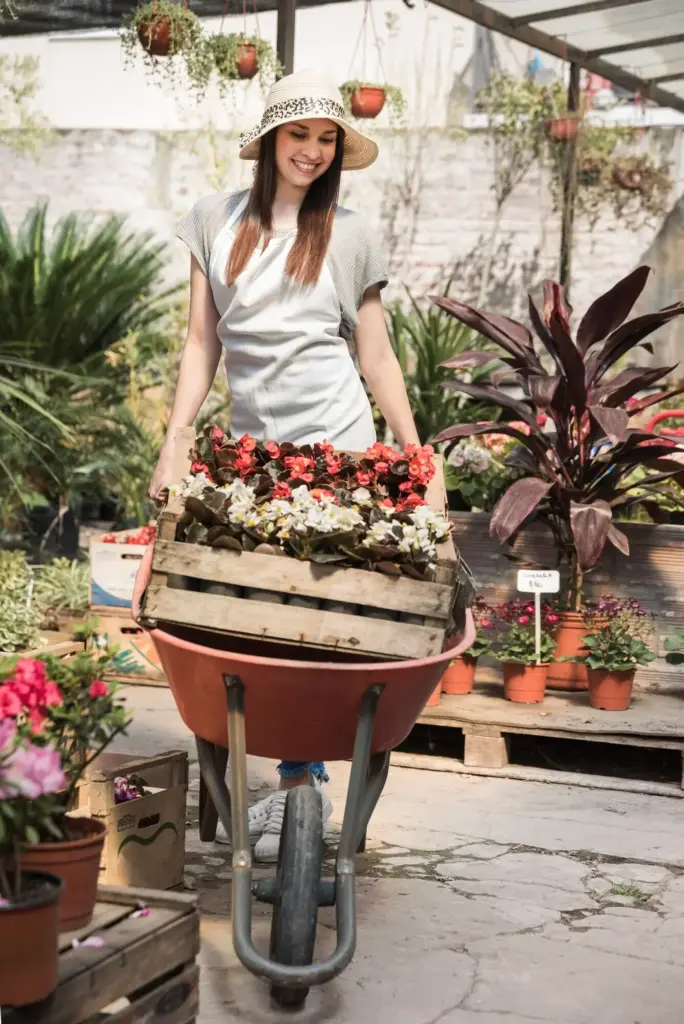
A team carved out a quiet nook using tall, wheeled planters packed with pothos and philodendron. Custom shelves bridged between them, measured to miss a baseboard heater and route cables neatly. Calls sounded warmer, people lingered longer, and volunteers formed a watering rota. By rotating planters weekly, the leaves stayed even and lush. New hires gravitated there for focused bursts, and clients commented on the calm. The plants didn’t just decorate; they reorganized how the team collaborated happily.

Build, Buy, or Hack

Deciding how to proceed depends on time, tools, and budget. Weekend builders can craft simple rolling planters and snug shelves with pocket screws or dowels. Collaborating with a local craftsperson unlocks trickier fits, advanced joinery, and durable finishes. Off-the-shelf modules, meanwhile, become powerful when hacked with casters, liners, and tension uprights. Start small—one movable herb box beside a fitted bench—and learn from daily use. Share photos, ask questions, and subscribe for plans, cut lists, and sourcing guides.
Punaxutapofuxixaku
Privacy Overview

This website uses cookies so that we can provide you with the best user experience possible. Cookie information is stored in your browser and performs functions such as recognising you when you return to our website and helping our team to understand which sections of the website you find most interesting and useful.